
Swiss Company Directorship Explained: Key Roles and Rules
- Nov 27, 2025
- 7 min read
Updated: Dec 16, 2025

Over eighty percent of international companies choose Switzerland for its high standards of corporate governance and strict director accountability. For any american entrepreneur eyeing the Swiss market, understanding how company directorship works is vital for long-term success and legal compliance. This guide breaks down key duties, legal frameworks, and crucial distinctions every american business owner needs to know before making the move to Switzerland’s business landscape.
Table of Contents
Key Takeaways
Point | Details |
Swiss Company Governance | The board of directors (Verwaltungsrat) holds ultimate responsibility for corporate management, including financial oversight and strategic direction. |
Types of Business Structures | The primary legal structures are Aktiengesellschaft (AG) and Gesellschaft mit beschränkter Haftung (GmbH), each with distinct requirements and director responsibilities. |
Director Eligibility | At least one director must be a resident of Switzerland, ensuring legal representation for the company. |
Key Responsibilities and Risks | Directors have non-transferable duties and can face joint liability for corporate actions, necessitating proactive risk management and compliance measures. |
What Is Swiss Company Directorship?
Swiss company directorship is a critical governance framework that defines how businesses operate and are managed within Switzerland’s sophisticated corporate ecosystem. According to CMS Law, Swiss companies are governed by a single board of directors known as the ‘Verwaltungsrat’, which holds ultimate responsibility for the company’s management and strategic direction.
The board of directors serves as the senior management body with comprehensive responsibilities that extend far beyond traditional leadership roles. Key responsibilities include:
Issuing organizational directives
Determining the company’s structural framework
Organizing financial accounts and audits
Financial planning and strategic development
Appointing and supervising management personnel
As KMU Admin explains, this board plays a supervisory role ensuring strict compliance with legal requirements, company articles of association, regulations, and established directives. Swiss corporate law uniquely allows for delegation of certain management tasks while maintaining specific non-transferable competencies, such as fundamental strategic decision making.
For international entrepreneurs considering Swiss incorporation, understanding the nuanced role of company directors is crucial. How to Appoint Swiss Director for Your Company Easily provides deeper insights into navigating this complex but structured corporate governance landscape. The Swiss model emphasizes accountability, strategic oversight, and precise legal compliance, making it an attractive option for businesses seeking a robust and transparent operational framework.
Types of Directors and Legal Structures
In the Swiss corporate landscape, there are primarily two main legal structures where directorship plays a critical role: the Aktiengesellschaft (AG) and the Gesellschaft mit beschränkter Haftung (GmbH). Each structure has unique characteristics that influence director appointment, responsibilities, and governance mechanisms.
For the AG (Stock Corporation), the legal framework requires a more complex directorial structure. Key features include:
Minimum of one director
Potential for a multi-tiered board system
Shareholders elect board members
Higher capital requirements (minimum 100,000 Swiss francs)
More stringent reporting and transparency obligations
The GmbH (Limited Liability Company) offers a more flexible approach to directorship. Characteristics of GmbH directorship include:
Minimum of one managing director
Lower capital requirements (minimum 20,000 Swiss francs)
More simplified governance structure
Greater operational flexibility
Easier transferability of ownership shares
Beyond these primary structures, Swiss law recognizes different director types based on their specific roles and responsibilities. These include resident directors, who are physically located in Switzerland, and nominee directors, who can provide professional directorship services for international companies seeking Swiss incorporation. Step-by-Step Process for Swiss AG Incorporation provides comprehensive insights into navigating these structural nuances.
Understanding the distinctions between these legal structures is crucial for international entrepreneurs.
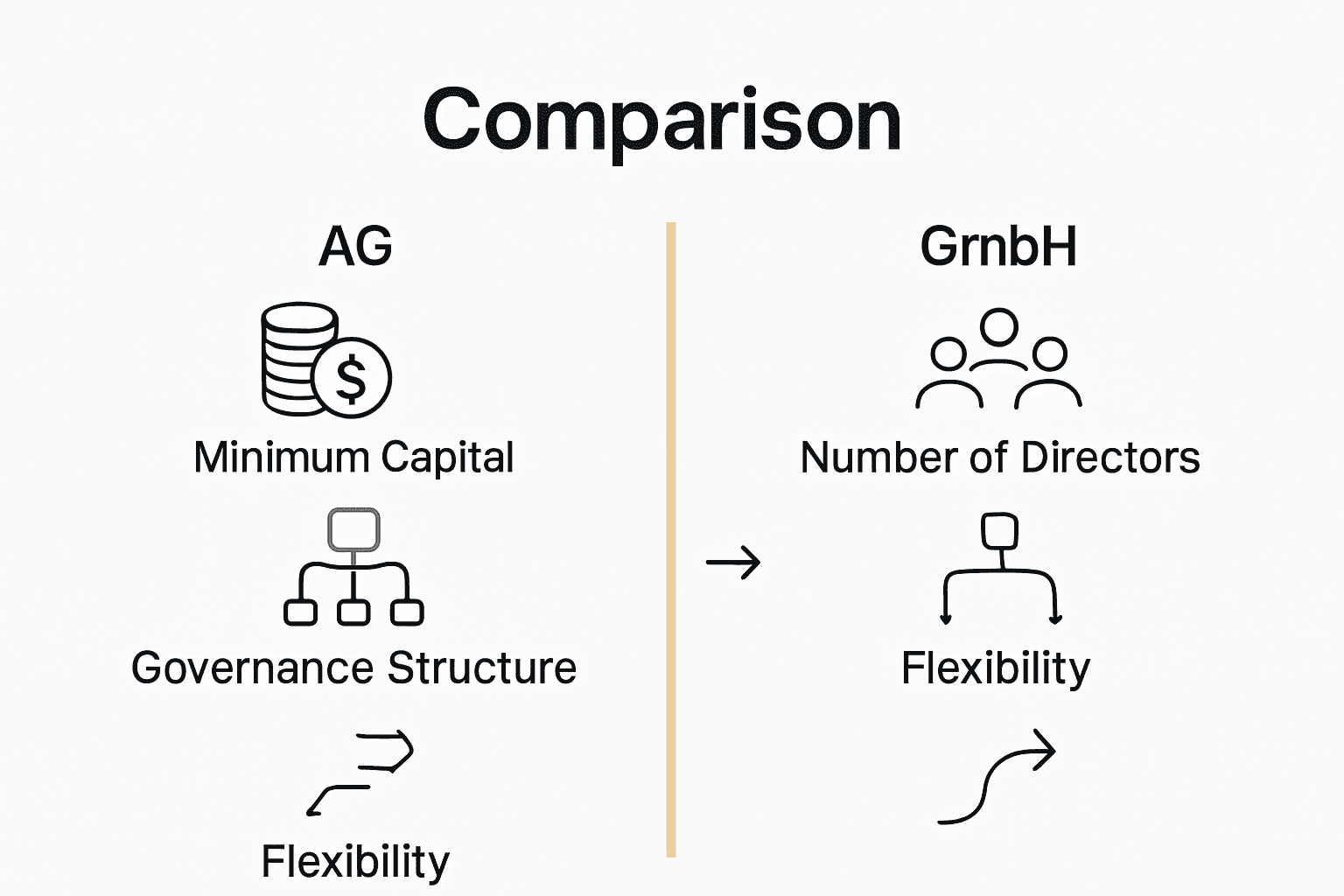
The choice between AG and GmbH depends on factors such as business scale, capital availability, operational complexity, and long-term strategic objectives. Each structure offers unique advantages, and selecting the right one can significantly impact a company’s governance, tax efficiency, and operational flexibility in the Swiss business ecosystem.

Eligibility, Residency, and Appointment Procedures
Director eligibility in Switzerland is characterized by a nuanced set of legal requirements designed to ensure robust corporate governance and representation. CMS Law highlights a critical stipulation that at least one person domiciled in Switzerland must have sufficient signatory power to represent the company, either as a board member or an authorized officer.
The appointment procedures for Swiss company directors involve several key considerations:
Residency Requirements
Minimum of one Swiss resident director
Can be a natural person or a corporate entity
Signatory power can be individual or joint
Appointment Process
Typically elected by shareholders’ meeting
Standard term length of three years
Defined in company’s articles of incorporation
Foreign entrepreneurs have multiple pathways to satisfy Swiss directorship requirements. Options include:
Appointing a local Swiss resident director
Utilizing nominee director services
Establishing a local representative with power of attorney
Creating a hybrid board with mixed national representation
The legal framework provides flexibility while maintaining strict accountability standards. How to Appoint Swiss Director for Your Company Easily offers comprehensive guidance for international businesses navigating these complex regulatory landscapes. Importantly, the chosen approach must ensure proper legal representation, financial transparency, and compliance with Swiss corporate governance principles.
Core Duties and Liabilities of Directors
Swiss corporate law imposes rigorous responsibilities and legal obligations on company directors, establishing a comprehensive framework of accountability that extends far beyond traditional management roles. KMU Admin outlines the critical non-transferable duties that directors must fulfill, emphasizing their critical role in organizational governance and strategic direction.
The core duties of Swiss company directors encompass several key strategic and operational responsibilities:
Strategic Management
Defining organizational structure
Establishing corporate directives
Developing long-term business strategies
Financial Oversight
Preparing and approving financial statements
Organizing comprehensive financial planning
Conducting periodic financial audits
Governance Responsibilities
Appointing and supervising management
Preparing detailed management reports
Ensuring legal and regulatory compliance
Legal Liability represents a significant aspect of directorship in Switzerland. Directors can be held jointly liable for damages caused by corporate actions, which means each board member may potentially be prosecuted for the full extent of financial harm resulting from corporate misconduct. SwissRe further elaborates that directors are responsible for critical decisions including budget approvals, executive appointments, and shareholder meeting management.
Navigating these complex responsibilities requires exceptional diligence, strategic acumen, and a comprehensive understanding of Swiss corporate law. International entrepreneurs must recognize that directorship is not merely a titular position but a profound legal and ethical commitment that demands continuous professional vigilance and proactive governance. Complete Guide to Swiss Company Registration Process provides additional insights into managing these intricate directorial obligations effectively.
Common Risks, Compliance, and Best Practices
Swiss company directorship involves navigating a complex landscape of potential legal and financial risks that demand meticulous attention and proactive management. KMU Admin highlights the critical risk of liability for unfair debts that could potentially damage the company, shareholders, or creditors, with directors facing potential prosecution for the full extent of financial harm.
Key risk mitigation strategies for Swiss company directors include:
Financial Vigilance
Continuous monitoring of company financial health
Prompt reporting of potential over-indebtedness
Maintaining transparent financial documentation
Compliance Protocols
Establishing robust internal control systems
Regular legal and regulatory compliance audits
Implementing comprehensive risk management frameworks
Governance Best Practices
Detailed record-keeping
Clear communication channels
Proactive risk identification and management
SwissRe emphasizes the importance of best practices such as annual budget approvals, executive performance reviews, and maintaining effective shareholder communication. Directors must develop a comprehensive approach to governance that balances strategic decision-making with rigorous risk management.
Ultimately, successful Swiss company directorship requires a holistic approach that combines legal acumen, financial expertise, and proactive risk management. Step-by-Step Process for Swiss AG Incorporation offers additional guidance for international entrepreneurs seeking to navigate these complex regulatory landscapes. The key is to view directorship not as a passive role, but as an active, strategic responsibility that demands continuous learning, adaptation, and unwavering commitment to corporate integrity.
Simplify Your Swiss Company Directorship Journey with Expert Support
Swiss company directorship involves complex regulations, critical fiduciary duties, and strict residency requirements that can overwhelm international entrepreneurs. Understanding the responsibilities of the “Verwaltungsrat” board, navigating AG or GmbH structures, and managing legal compliance are essential for success but challenging without local expertise. Key pain points include ensuring proper director appointment, meeting residency rules, and mitigating liability risks while maintaining smooth governance.

Take control of your Swiss company formation and director appointment with professional guidance from RPCS. Our comprehensive services cover everything from legal documentation and notarization to ongoing compliance and risk management. Whether you need help choosing the right company structure or figuring out how to appoint a resident director, we ensure your business meets all Swiss requirements promptly and confidently. Discover how to avoid common pitfalls and unlock full benefits by visiting our detailed resources like How to Appoint Swiss Director for Your Company Easily and Step-by-Step Process for Swiss AG Incorporation. Act now to secure your place in Switzerland’s favorable business environment with trusted professional support at RPCS.
Frequently Asked Questions
What is the role of the board of directors in a Swiss company?
The board of directors, or ‘Verwaltungsrat’, is responsible for the overall management and strategic direction of a Swiss company, including issuing directives, appointing management personnel, and ensuring compliance with legal requirements.
What are the eligibility requirements for directors in a Swiss company?
At least one director must be domiciled in Switzerland and possess sufficient signatory power. Directors can be individuals or corporate entities, and the specifics of their appointment are typically outlined in the company’s articles of incorporation.
What are the key differences between an AG and a GmbH in Switzerland?
An AG (Stock Corporation) requires a minimum of one director, has higher capital requirements, and a more complex governance structure, while a GmbH (Limited Liability Company) allows for greater operational flexibility and lower capital requirements, with a simpler governance model.
How can foreign entrepreneurs meet Swiss directorship requirements?
Foreign entrepreneurs can satisfy Swiss directorship requirements by appointing a local Swiss resident director, utilizing nominee director services, or establishing a local representative with power of attorney.
Recommended
Comments