
Why Establish Business in Switzerland: Complete Guide
- Nov 26, 2025
- 6 min read
Updated: Dec 2, 2025

Most american investors are surprised to learn that Switzerland consistently ranks among the world’s most stable and business-friendly countries, thanks to its transparent regulations and highly skilled workforce. For any company seeking entry into Europe, choosing Switzerland means gaining access to a unique blend of innovation, efficient infrastructure, and competitive tax advantages. Discover why the Swiss model attracts top talent and global enterprises while offering a level of business security that few other nations can match.
Table of Contents
Key Takeaways
Point | Details |
Favorable Business Environment | Switzerland offers political stability, competitive tax rates, and a skilled workforce, making it an attractive location for international businesses. |
Diverse Company Structures | Entrepreneurs can choose from various legal structures such as AG, GmbH, and associations to fit their specific business needs. |
Tax Advantages | Low corporate tax rates, numerous double taxation treaties, and financial incentives for R&D enhance the fiscal attractiveness of Switzerland. |
Robust Compliance Framework | Foreign entrepreneurs must navigate rigorous legal requirements, including company registration and minimum capital, to successfully establish their businesses in Switzerland. |
Core Advantages of Doing Business in Switzerland
Switzerland stands as a premier global business destination, offering international entrepreneurs and corporations a remarkably strategic environment for growth and success. According to Swiss Export Promotion, the country provides a highly qualified multilingual workforce coupled with a moderate tax burden, creating an exceptionally attractive business landscape.
The Swiss business ecosystem distinguishes itself through several compelling advantages. Wolters Kluwer highlights the nation’s developed infrastructure, technological advancement, and strategic access to the European single market as key differentiators. These elements collectively position Switzerland as a globally competitive business hub with remarkable potential for international enterprises.
Key advantages of establishing a business in Switzerland include:
Stable Political Environment: Unparalleled political stability and transparent regulatory frameworks
Advanced Infrastructure: World-class technological and communication networks
Strategic Geographic Location: Central European positioning with excellent international connectivity
Highly Skilled Workforce: Multilingual professionals with exceptional technical expertise
Favorable Tax Regime: Competitive corporate tax rates and attractive financial incentives
For entrepreneurs seeking a comprehensive understanding of Swiss business incorporation, 7 Key Advantages of Swiss GmbH for Business Success provides deeper insights into the specialized structures available for international business establishment. This resource offers a nuanced exploration of how different business entities can optimize operational strategies within Switzerland’s robust economic landscape.
Swiss Company Types and Legal Structures
Switzerland offers a sophisticated array of legal business structures designed to accommodate diverse entrepreneurial needs and international business strategies. Wolters Kluwer highlights two primary corporate entities that dominate the Swiss business landscape: Aktiengesellschaft (AG) and Gesellschaft mit beschränkter Haftung (GmbH), each presenting unique legal characteristics and operational frameworks.
The Swiss legal system provides multiple corporate structures to suit different business objectives. Wikipedia notes that beyond traditional corporate entities, Swiss law also recognizes associations as a flexible organizational type, which can function as non-profit or non-governmental organizations. This diversity allows entrepreneurs significant flexibility in structuring their business entities.

Key Swiss Company Types Include:
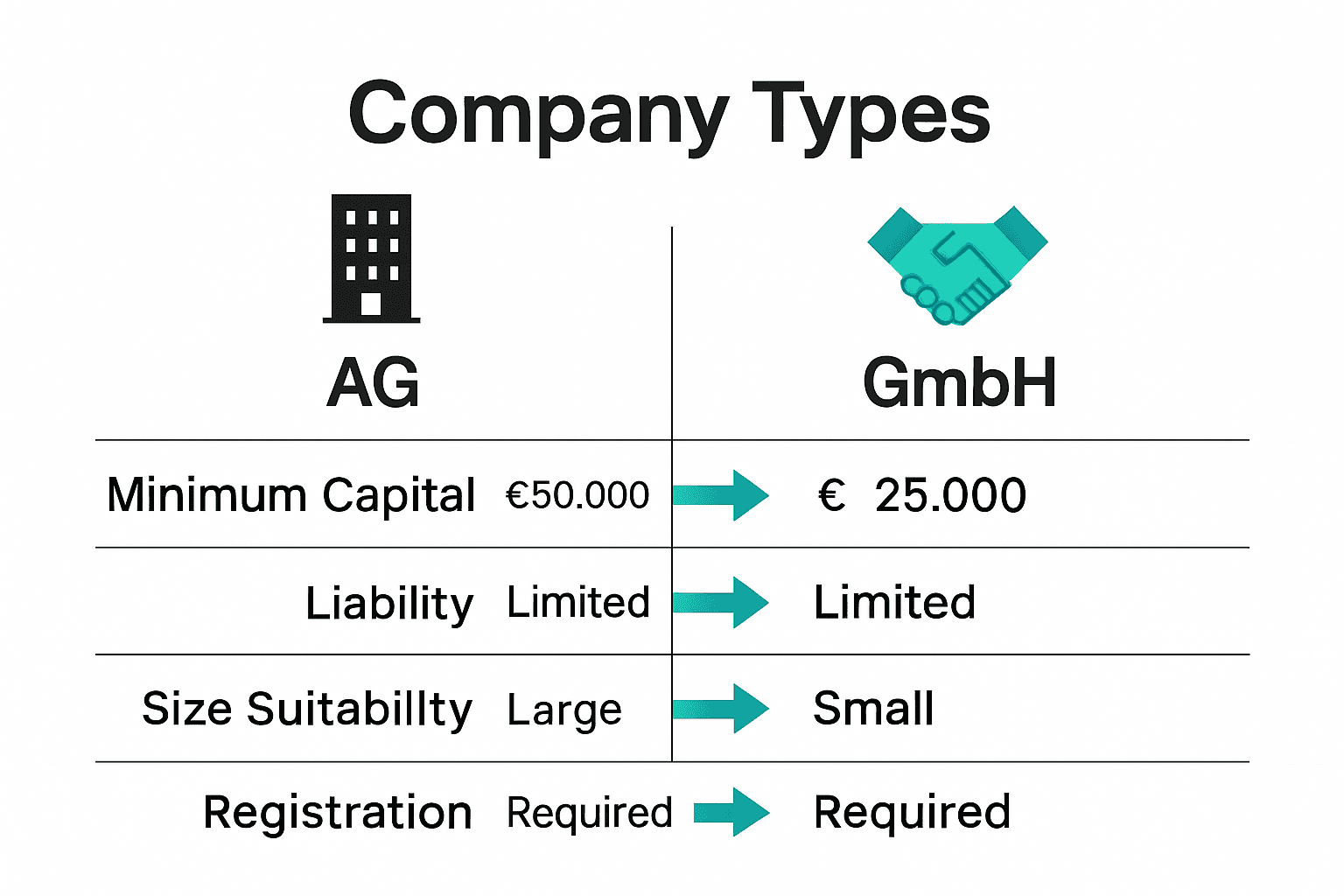
Aktiengesellschaft (AG): Stock corporation with minimum capital requirements, ideal for larger enterprises
Gesellschaft mit beschränkter Haftung (GmbH): Limited liability company suitable for small to medium enterprises
Swiss Association: Non-profit organizational structure with flexible governance
Holding Company: Strategic entity for managing investments and subsidiary businesses
Branch Office: Direct extension of a foreign company’s operations in Switzerland
To navigate the intricate landscape of Swiss company formation, Company Formation Checklist Switzerland provides entrepreneurs a comprehensive roadmap for understanding the nuanced requirements and strategic considerations involved in establishing a business entity in this dynamic economic environment.
Taxation, Incentives, and Financial Benefits
Switzerland stands out as a premier destination for businesses seeking an advantageous fiscal environment. Swiss Export Promotion emphasizes the country’s unique federal tax structure, which offers a moderate tax burden for both companies and individuals while maintaining an extensive network of bilateral conventions to prevent international double taxation.
Wolters Kluwer highlights Switzerland’s competitive corporate tax landscape, which provides multinational corporations with attractive financial incentives. The Swiss tax system is strategically designed to balance economic attractiveness with fiscal responsibility, making it an exceptional choice for international business entities.
Key Taxation and Financial Advantages:
Low Corporate Tax Rates: Significantly lower compared to many European countries
Double Taxation Treaties: Comprehensive agreements with over 100 countries
Cantonal Tax Variations: Flexible tax rates across different Swiss regions
Research and Development Incentives: Tax credits for innovative businesses
Holding Company Privileges: Favorable tax treatment for investment structures
To gain deeper insights into optimizing your tax strategy, Steps to Open Swiss Holding Company provides entrepreneurs a comprehensive guide to leveraging Switzerland’s sophisticated financial frameworks and understanding the nuanced tax benefits available for international business structures.
Legal Requirements for Foreign Entrepreneurs
Swiss Export Promotion underscores the critical importance of meticulous compliance for foreign entrepreneurs seeking to establish businesses in Switzerland. Legal requirements for international business founders encompass a comprehensive framework of regulations, demanding precise adherence to company registration protocols, local business statutes, and administrative procedures.
Wolters Kluwer emphasizes that navigating Switzerland’s regulatory landscape requires strategic preparation and detailed understanding of the legal environment. Foreign entrepreneurs must demonstrate not just business acumen, but also a sophisticated comprehension of Swiss corporate governance, regulatory compliance, and administrative expectations.
Key Legal Requirements for Foreign Business Founders:
Company Registration: Formal documentation and notarization processes
Residency Considerations: Specific visa and work permit requirements
Minimum Capital Requirements: Mandatory investment thresholds for different business structures
Local Representative: Mandatory Swiss resident director or legal representative
Compliance Documentation: Comprehensive financial and operational reporting
To streamline the complex journey of Swiss business establishment, Complete Guide to Swiss Company Registration Process offers entrepreneurs a definitive roadmap through the intricate legal landscape, providing critical insights into successfully navigating Switzerland’s rigorous but rewarding business environment.
Managing Risks, Compliance, and Privacy
Wolters Kluwer highlights the intricate landscape of risk management in Switzerland, emphasizing the country’s robust regulatory framework that demands rigorous compliance and exceptional attention to legal and operational standards. Swiss business environments require entrepreneurs to develop comprehensive strategies that anticipate potential challenges while maintaining strict adherence to national regulatory guidelines.
Swiss Export Promotion underscores the critical importance of understanding and implementing sophisticated risk mitigation techniques. The Swiss legal system places extraordinary emphasis on protecting business integrity, requiring companies to establish proactive compliance mechanisms that address potential operational, financial, and regulatory vulnerabilities.
Key Risk Management and Compliance Priorities:
Data Protection: Stringent privacy regulations with severe non-compliance penalties
Employment Law Compliance: Detailed worker protection and contractual requirements
Financial Transparency: Comprehensive reporting and audit standards
Cybersecurity Protocols: Advanced digital security and information protection measures
International Regulatory Alignment: Adherence to global compliance frameworks
To navigate the complex terrain of Swiss business regulations, Company Formation Checklist Switzerland provides entrepreneurs a strategic roadmap for implementing robust risk management and compliance strategies that meet Switzerland’s exacting legal standards.
Start Your Swiss Business Journey with Confidence and Expert Support
Establishing a business in Switzerland is an exciting step filled with opportunity yet comes with challenges such as navigating complex legal requirements, managing tax incentives, and ensuring full compliance. The article highlights key concerns for entrepreneurs like understanding Swiss GmbH or AG structures, meeting registration criteria, and leveraging the favorable tax landscape. Without local knowledge, these hurdles can feel overwhelming and slow your progress.
At https://rpcs.ch, we specialize in turning these challenges into smooth solutions. Our platform offers tailored support for company formation in Switzerland, covering all steps from legal documentation and notarization to banking setup and ongoing administration. We understand the importance of confidentiality, rapid setup, and compliance you need to confidently succeed in this competitive environment. Discover how our comprehensive services, including risk management and financial guidance, align perfectly with the important concepts discussed like “company registration,” “favorable tax regime,” and “legal compliance.”

Take action now to secure your place in Switzerland’s thriving business landscape. Explore our detailed Company Formation Checklist Switzerland and learn about the Steps to Open Swiss Holding Company. Visit RPCS and let our experts guide you every step of the way so you can focus on growing your business with confidence and peace of mind.
Frequently Asked Questions
What are the main advantages of doing business in Switzerland?
Switzerland offers several advantages for businesses, including a stable political environment, advanced infrastructure, a strategic geographic location, a highly skilled multilingual workforce, and a favorable tax regime with competitive corporate tax rates.
What types of company structures are available for foreign entrepreneurs in Switzerland?
Foreign entrepreneurs can choose from various company structures in Switzerland, including Aktiengesellschaft (AG), Gesellschaft mit beschränkter Haftung (GmbH), Swiss Association, Holding Company, and Branch Office, each suited for different business needs.
What are the legal requirements for foreign entrepreneurs to register a business in Switzerland?
Legal requirements include formal company registration, residency considerations such as visa and work permits, minimum capital requirements, having a local representative, and compliance with extensive documentation and financial reporting standards.
How does the taxation system in Switzerland benefit businesses?
Switzerland features low corporate tax rates compared to many European countries, has double taxation treaties with over 100 countries, allows for cantonal tax variations, and provides research and development incentives, making it a financially attractive spot for international businesses.
Recommended
Comments